
2024 Marketing Ideas and Strategies
2024 Marketing Ideas and Strategies: 15 Digital Marketing Tips for Business Growth
The digital marketing landscape evolved significantly in 2024, with businesses increasing their focus on artificial intelligence, search engine optimization, social media engagement, personalized customer experiences, and data-driven marketing strategies.
Understanding the marketing ideas and strategies of 2024 provides useful insights into how businesses adapted to changing consumer behavior, new technologies, and emerging digital platforms.
At ObeySoft, we explore practical digital marketing strategies to help businesses understand the relationship between SEO, content marketing, brand visibility, customer engagement, and online growth.
Here are 15 marketing strategies that were particularly relevant in 2024, along with lessons businesses can continue to apply.
1. Focus on Search Engine Optimization (SEO)
SEO remained a fundamental digital marketing strategy in 2024.
Businesses focused on producing helpful content, improving technical website performance, optimizing important landing pages, and matching content to customer search intent.
Practical takeaway: Conduct keyword research, improve website structure, fix indexing issues, and publish content that addresses real customer questions.
2. Explore AI-Powered Marketing Tools
Artificial intelligence became an increasingly important part of marketing workflows.
Businesses used AI-assisted tools for brainstorming, content planning, audience research, customer support, and campaign analysis.
Practical takeaway: Use AI tools to support human expertise while reviewing content for accuracy, originality, and relevance.
3. Invest in High-Quality Content Marketing
Helpful content played an important role in attracting and educating potential customers.
Blog articles, detailed guides, videos, tutorials, and industry resources helped businesses communicate expertise and answer audience questions.
Practical takeaway: Create content based on genuine customer needs rather than publishing articles solely to target keywords.
4. Improve Social Media Marketing
Instagram, Facebook, LinkedIn, Pinterest, TikTok, and YouTube offered opportunities for businesses to connect with different audiences.
Effective social media strategies emphasized platform-appropriate content and audience engagement.
Practical takeaway: Choose social platforms according to customer demographics and business objectives instead of maintaining an inactive presence everywhere.
5. Use Video Marketing to Increase Engagement
Short-form videos, product demonstrations, tutorials, and customer education videos became valuable marketing formats.
Videos could help explain products, demonstrate services, and encourage interactions.
Practical takeaway: Create informative videos that answer questions, demonstrate solutions, and communicate your brand’s value.
6. Strengthen Email Marketing Campaigns
Email marketing continued to support customer retention, product announcements, and relationship building.
Segmentation and useful messaging helped businesses deliver more relevant communications.
Practical takeaway: Organize subscriber lists according to meaningful interests and use permission-based campaigns.
7. Optimize Websites for Mobile Users
Mobile-friendly websites were essential for businesses reaching customers who browse and purchase on smartphones.
Responsive layouts, readable text, intuitive navigation, and efficient loading experiences contributed to better usability.
Practical takeaway: Test important website pages on real mobile devices and address navigation or performance issues.
8. Improve Local SEO Visibility
Local SEO helped businesses improve their discoverability for geographically relevant searches.
Accurate business details, useful location pages, and Google Business Profile management remained important.
Practical takeaway: Maintain consistent business information and provide useful location-specific content.
9. Develop Personalized Customer Experiences
Businesses explored ways to tailor their marketing communications based on customer interests and previous interactions.
Personalization could involve relevant recommendations, targeted emails, and customized website experiences.
Practical takeaway: Use customer information responsibly and follow applicable privacy requirements.
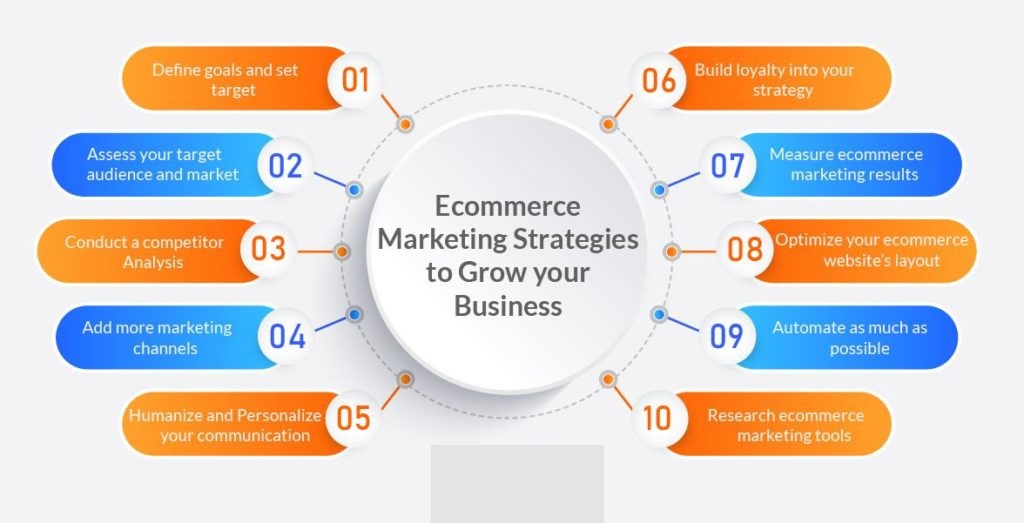
10. Improve eCommerce Marketing Strategies
Online stores increasingly combined search optimization, product content, social media marketing, and customer retention strategies.
Clear product descriptions, useful photographs, and transparent shipping information helped customers make informed decisions.
Practical takeaway: Optimize product and category pages around genuine purchase intent.
11. Use Influencer and Creator Partnerships
Creator collaborations gave brands opportunities to connect with engaged audiences.
Successful partnerships depended on audience relevance, authenticity, and transparent promotional disclosures.
Practical takeaway: Evaluate creators based on audience fit and credible engagement rather than follower counts alone.
12. Strengthen Brand Authority Through Digital PR
Digital PR, relevant industry publications, and genuine editorial mentions supported brand awareness and website discovery.
Relevant backlinks could also contribute to a broader SEO strategy.
Practical takeaway: Earn coverage through original insights, useful information, and authentic publisher relationships.
13. Explore Answer-Focused and AI Search Content
During 2024, Google’s AI search experiences and conversational AI tools drew increasing attention to how information might be discovered and presented.
This encouraged businesses to create clear explanations, answer common questions, and organize information in understandable formats.
Practical takeaway: Develop accurate, well-structured content that serves users directly. AI-generated mentions and search rankings cannot be guaranteed.
14. Measure Marketing Performance with Analytics
Data analysis helped businesses evaluate campaign effectiveness and identify opportunities.
Metrics such as organic clicks, qualified leads, conversion rates, customer acquisition costs, and revenue provided useful context.
Practical takeaway: Focus on measurements aligned with business outcomes instead of relying exclusively on impressions or traffic.
15. Build an Integrated Digital Marketing Strategy
A coordinated marketing strategy connects SEO, paid advertising, social media, email, content marketing, website optimization, and customer experience.
Individual channels often work better when they support consistent business goals and messaging.
Practical takeaway: Build a marketing plan that defines your audience, objectives, budget, responsibilities, and performance measures.
What Can Businesses Learn From 2024 Marketing Strategies?
The marketing developments of 2024 highlighted several enduring principles:
- Understand customer needs before creating campaigns.
- Prioritize useful content and clear communication.
- Maintain technically accessible websites.
- Use AI tools responsibly.
- Choose marketing channels based on audience behavior.
- Evaluate results with meaningful performance metrics.
- Build trust through transparency and consistent service.
Although individual platforms and technologies continue to change, these principles remain useful when developing modern digital marketing plans.
How ObeySoft Can Help Your Business
ObeySoft provides digital marketing and search optimization services for businesses seeking to strengthen their online presence.
Our areas of focus include:
- Search Engine Optimization (SEO)
- Technical SEO Audits
- On-Page SEO
- Keyword Research
- Website Content Optimization
- Answer Engine Optimization (AEO)
- Generative Engine Optimization (GEO)
- WordPress and Shopify SEO
Whether you operate a small business website, eCommerce store, or international service company, we can help you explore relevant optimization opportunities.
Final Thoughts
The marketing ideas and strategies of 2024 demonstrate how businesses adapted to AI-assisted tools, evolving search experiences, social media content, and customer expectations.
The most valuable lesson is to combine useful content, technical quality, audience understanding, and measurable business objectives.
For businesses planning their marketing activities today, these historical strategies provide a useful foundation, but recommendations should always be reviewed against current platform policies and customer behavior.
Need professional digital marketing or SEO support?
Contact ObeySoft to discuss your website and marketing goals.