
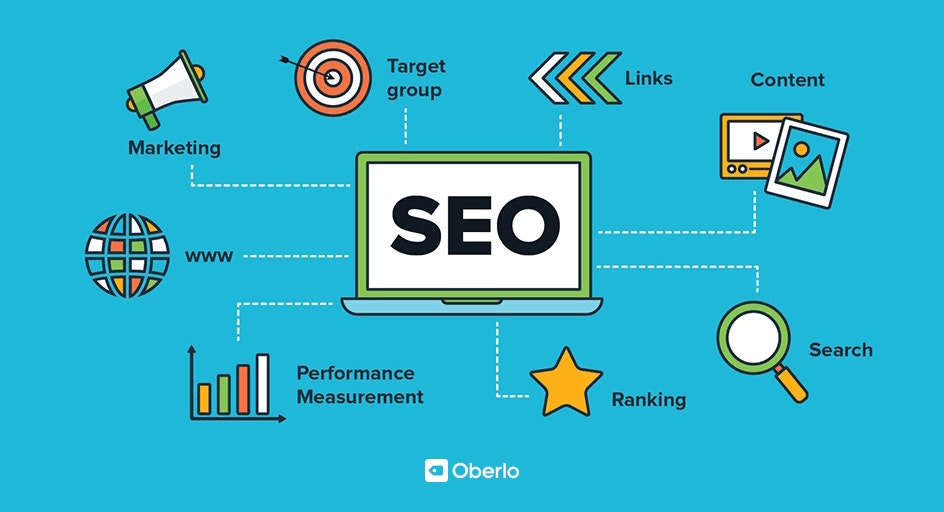
How to get best results using SEO techniques
How to Get Best Results Using SEO Techniques in 2027
Are you struggling to improve your website’s Google rankings, attract organic traffic, or generate leads from search engines? Implementing effective SEO techniques can help your website become more discoverable, useful, and competitive.
Search Engine Optimization (SEO) involves improving website content, technical accessibility, user experience, and online visibility so search engines can better understand and present your pages to relevant audiences.
In 2027, SEO is not limited to traditional search results. Businesses also need to understand how their content is discovered through AI-powered experiences, including Google AI Overviews, ChatGPT, and Perplexity.
In this guide, ObeySoft explains practical strategies to improve website SEO performance and support long-term digital growth.
What Are the Best SEO Techniques?
Quick Answer: The best SEO techniques include keyword research, search intent optimization, helpful content creation, on-page SEO, technical improvements, internal linking, relevant backlinks, local SEO, mobile usability, and performance monitoring.
These techniques work together to help search engines understand your website and help users find reliable answers.
No single technique guarantees first-page rankings. Effective SEO requires consistent implementation, measurement, and improvement.
1. Perform Keyword Research Based on Search Intent
Keyword research is the foundation of an effective SEO strategy.
Instead of targeting keywords solely because they have high search volume, identify search terms that align with your audience’s actual needs.
Types of Search Intent
| Search Intent | Example Keyword | Content Type |
|---|---|---|
| Informational | How to improve website SEO | Educational blog |
| Commercial | Best SEO services for small businesses | Comparison or service guide |
| Transactional | Hire SEO expert | Service landing page |
| Navigational | ObeySoft SEO services | Brand or service page |
Keyword Research Best Practices
- Identify relevant primary and secondary keywords.
- Analyze search intent before creating content.
- Include long-tail keywords that address specific problems.
- Research competitor content to identify meaningful gaps.
- Use natural language rather than repeating exact-match keywords.
- Prioritize keywords that align with business objectives.
Useful keyword research tools include Google Search Console, Google Keyword Planner, Ahrefs, and Semrush.
SEO Tip: A keyword with lower search volume but strong commercial intent may generate more qualified leads than a broad informational keyword.
2. Optimize Website Content for Users and Search Engines
High-quality content is one of the most important elements of sustainable SEO.
Your website should provide original information that helps visitors solve problems, understand services, or make informed decisions.
Effective Content Optimization Techniques
Create descriptive headings: Organize your content using a clear H1 heading and relevant H2 and H3 subheadings.
Answer important questions: Provide direct answers before introducing supporting details.
Demonstrate expertise: Include original examples, practical explanations, screenshots, research, and relevant experience.
Maintain content accuracy: Review articles when information becomes outdated.
Avoid keyword stuffing: Use related terms naturally, without repeating keywords solely to influence rankings.
For example, a blog about WordPress website development should explain the development process, technical requirements, platform choices, common problems, and practical solutions.
Content should deliver useful information rather than merely targeting search traffic.
3. Improve On-Page SEO
On-page SEO involves optimizing individual webpages to help search engines understand their content.
Important elements include:
SEO Titles
Write unique, descriptive page titles that communicate the main topic.
Example:
WordPress SEO Guide: Improve Rankings and Organic Traffic
Meta Descriptions
Create concise descriptions that summarize the content and encourage relevant visitors to click.
Meta descriptions may be used as search snippets, although Google can generate different descriptions based on the query.
URL Structure
Use readable and descriptive URLs.
Example:
https://example.com/wordpress-seo-guide/
Internal Linking
Connect related pages with meaningful internal links.
For example, an article about SEO techniques can link to relevant articles about technical SEO, keyword research, link building, and WordPress optimization.
Image Optimization
Use descriptive image filenames, appropriate alt text, compressed files, and suitable image dimensions.
These practices improve accessibility, content understanding, and page performance.
4. Strengthen Technical SEO
Technical SEO helps search engines access, render, crawl, and index website content.
A technically sound website reduces barriers that may prevent important pages from appearing in search results.
Essential Technical SEO Practices
- Use HTTPS across the website.
- Create and maintain XML sitemaps.
- Check robots.txt configurations.
- Fix broken internal links.
- Review canonical tags.
- Resolve unnecessary redirects.
- Ensure important content is accessible to crawlers.
- Identify duplicate or unintentionally noindexed pages.
- Monitor website indexing with Google Search Console.
Submitting a sitemap helps search engines discover important URLs, but it does not guarantee indexing.
For WordPress websites, plugins such as Rank Math can assist with metadata, sitemap management, and other technical SEO settings.
5. Optimize Website Speed and Core Web Vitals
Website performance affects user experience and can influence search performance.
A slow-loading website may frustrate visitors and reduce conversions.
Google’s Core Web Vitals evaluate aspects of loading performance, responsiveness, and visual stability.
Core Web Vitals Metrics
| Metric | Good Threshold |
|---|---|
| Largest Contentful Paint (LCP) | 2.5 seconds or less |
| Interaction to Next Paint (INP) | 200 milliseconds or less |
| Cumulative Layout Shift (CLS) | 0.1 or less |
Website Speed Optimization Techniques
- Compress large images.
- Use modern image formats when appropriate.
- Enable suitable caching.
- Reduce unnecessary JavaScript.
- Remove unused plugins.
- Optimize hosting and server performance.
- Avoid excessive third-party scripts.
- Test performance on real mobile devices.
Use Google PageSpeed Insights and Google Search Console to identify performance issues.
Remember that a perfect PageSpeed score does not automatically guarantee high search rankings.
6. Build High-Quality and Relevant Backlinks
Backlinks are links from other websites to your website.
Relevant, editorially earned backlinks can help search engines discover content and understand its relationship to other online resources.
Sustainable Link-Building Strategies
Publish original resources: Create tutorials, research, tools, and useful industry guides.
Contribute genuine expertise: Share relevant insights with publishers and industry communities.
Develop industry relationships: Collaborate with legitimate businesses and organizations.
Create valuable reference content: Publish material that other websites may naturally cite.
Review broken links: Repair important links on your site and identify opportunities to suggest genuinely useful replacement resources elsewhere.
Avoid buying links intended to manipulate rankings, automated link schemes, and large-scale low-quality directory submissions.
Quality, relevance, and editorial value matter more than the number of backlinks.
7. Optimize for Local SEO
Local SEO is important for businesses serving customers within specific geographic markets.
For example, a website development company in Jaipur may want visibility for searches related to WordPress development, Shopify services, or digital marketing in Jaipur.
Local SEO Best Practices
- Create and maintain an accurate Google Business Profile if eligible.
- Use consistent business name, address, and contact information.
- Choose relevant business categories.
- Explain your actual service areas.
- Publish useful location-specific content.
- Encourage authentic customer reviews.
- Add appropriate LocalBusiness structured data where relevant.
Businesses targeting the USA, UK, Canada, or Australia should create location-specific pages only when they offer genuinely relevant services or information for those audiences.
Avoid duplicating the same content across dozens of city pages with only the location name changed.
8. Improve SEO With AEO and GEO Strategies
Search behaviour is evolving as people use AI-powered tools to research products, services, and business information.
Two frequently discussed approaches are:
Answer Engine Optimization (AEO): Organizing content so questions receive clear, accurate, and useful answers.
Generative Engine Optimization (GEO): Improving the clarity, credibility, and accessibility of content that may be discovered or referenced by AI-powered search experiences.
Practical AEO and GEO Techniques
- Answer the main question clearly near the beginning of relevant sections.
- Publish original insights and verifiable information.
- Use descriptive headings and natural language.
- Maintain accurate company and service details.
- Make important information accessible in HTML text.
- Use relevant structured data that matches visible page content.
- Build logical internal links.
- Cite authoritative sources when useful.
- Update information when material changes occur.
- Monitor relevant search queries and AI-search appearances where measurable.
Traditional SEO remains the foundation for visibility in Google’s AI search experiences.
There is no special schema markup or guaranteed shortcut that makes a website appear in Google AI Overviews.
9. Use Structured Data Appropriately
Structured data helps eligible search engines interpret specific information on webpages.
Common schema types include:
- Organization
- LocalBusiness
- Article
- Product
- BreadcrumbList
Choose schema types that accurately describe the page.
For example, an informational SEO blog article may use Article or BlogPosting markup, while a qualifying business page may use Organization or LocalBusiness markup.
Structured data should match the visible content and follow applicable search engine guidelines.
Schema markup does not guarantee rich results or AI-generated citations.
10. Measure SEO Performance With the Right KPIs
SEO success should be measured using meaningful business outcomes, not rankings alone.
Important SEO Metrics
| Metric | What It Measures |
|---|---|
| Organic Clicks | Visits generated from unpaid search results |
| Impressions | How often pages are shown in search results |
| Click-Through Rate | Percentage of impressions generating clicks |
| Search Positions | Visibility for relevant search queries |
| Conversions | Leads, enquiries, purchases, or other actions |
| Indexed Pages | Pages Google has indexed |
| Engagement | How visitors interact with the website |
Use Google Search Console for search performance and indexing data.
Use Google Analytics 4 to analyze traffic, engagement, and conversions when configured appropriately.
Review your progress periodically and prioritize improvements based on real performance data.
11. Common SEO Mistakes to Avoid
Even well-designed websites can struggle in search when important SEO fundamentals are overlooked.
Common mistakes include:
- Targeting keywords without understanding search intent.
- Publishing repetitive or low-value content.
- Ignoring technical indexing problems.
- Using misleading titles and meta descriptions.
- Buying spammy backlinks.
- Creating unnecessary duplicate location pages.
- Failing to optimize mobile usability.
- Ignoring internal linking.
- Publishing unverified AI-generated information.
- Expecting instant first-page rankings.
A sustainable SEO strategy should prioritize users, trustworthy information, technical accessibility, and continuous improvement.
12. How Long Does SEO Take to Show Results?
SEO improvements do not follow a fixed timeline.
Some technical changes may be recognized after search engines recrawl affected pages. Competitive rankings and organic traffic growth may take substantially longer.
The timeline depends on factors such as competition, website history, content quality, technical condition, and implementation.
For practical planning, businesses can organize work into a 90-day improvement cycle.
Suggested 90-Day SEO Action Plan
Days 1–30: Audit and Foundation
Review indexing, technical SEO, keyword opportunities, competitor content, internal linking, and baseline performance.
Days 31–60: Optimization and Content
Improve priority pages, publish genuinely useful content, resolve technical issues, and strengthen internal linking.
Days 61–90: Evaluation and Refinement
Analyze search queries, identify pages with improvement opportunities, measure conversions, and refine content based on verified results.
This is a suggested implementation framework, not a guaranteed ranking timeline.
Frequently Asked Questions About SEO Techniques
What is the most effective SEO technique?
No single technique works best for every website. Creating helpful content aligned with search intent, maintaining technical accessibility, and building a clear website structure are strong foundational practices.
How can I improve my Google rankings?
Start by reviewing search intent, improving relevant content, fixing technical issues, strengthening internal links, and monitoring search performance in Google Search Console.
Is SEO still effective in 2026?
Yes. SEO remains relevant for improving search discoverability and helping users find useful webpages. Traditional SEO practices also support eligibility for Google’s AI search experiences.
What is the difference between SEO, AEO, and GEO?
SEO focuses on search visibility and discoverability. AEO emphasizes clear answers to user questions. GEO focuses on content accessibility, credibility, and usefulness in generative AI search environments.
Can AI-generated content rank on Google?
AI-assisted content can appear in search when it meets applicable quality and search policies. However, generating large amounts of low-value content to manipulate rankings can violate Google’s spam policies.
Are backlinks still important for SEO?
Relevant, naturally earned backlinks can be useful. Businesses should focus on editorial value rather than artificial link schemes.
Does structured data improve rankings?
Structured data helps search engines understand eligible content and may support certain search features. It does not guarantee improved rankings or rich results.
Can small businesses compete with larger websites?
Small businesses can build useful search visibility by focusing on relevant topics, customer needs, geographic expertise, and specialized services. Results depend on competition and execution.
How do I track SEO success?
Use Google Search Console and analytics tools to monitor organic search traffic, relevant queries, indexing, engagement, leads, and conversions.
Professional SEO, AEO and GEO Services by ObeySoft
Improving website visibility requires more than adding keywords or publishing blog posts.
An effective strategy combines content development, technical SEO, website optimization, internal linking, relevant authority signals, and performance measurement.
ObeySoft, based in Jaipur, India, provides SEO, AEO, GEO, WordPress development, Shopify development, and digital marketing services for businesses targeting India and international markets including the USA, UK, Canada, and Australia.
Our approach focuses on understanding business requirements, identifying practical opportunities, and developing search strategies aligned with long-term objectives.
Whether you want to improve your existing website or build a stronger foundation for organic search, explore the digital marketing solutions available at ObeySoft.
Website: https://www.obeysoft.com/
Conclusion
Getting the best results from SEO techniques requires a balanced and consistent approach.
Keyword research, helpful content, on-page optimization, technical SEO, website performance, internal linking, relevant backlinks, and data analysis all contribute to a stronger SEO foundation.
As AI-powered discovery continues to evolve, businesses should also prioritize clear answers, original expertise, credible information, and structured website content.
The most sustainable SEO strategy is to create genuine value for users while making that content accessible and understandable to search engines.
Authoritative Resources
- Google SEO Starter Guide: https://developers.google.com/search/docs/fundamentals/seo-starter-guide
- Google Search Essentials: https://developers.google.com/search/docs/essentials
- Google Search Console: https://search.google.com/search-console/
- Google AI Search Guidance: https://developers.google.com/search/docs/appearance/ai-features