Best Backlink Analysis Tools Review
Best Backlink Analysis Tools Review 2026: Free & Paid SEO Tools Compared
Looking for the best backlink analysis tools to evaluate your website’s backlink profile, research competitors, and discover new link building opportunities?
Backlinks remain an important part of search engine optimization, but understanding link relevance, editorial credibility, and referring domains is more useful than simply counting incoming links.
Whether you manage a business website, an eCommerce store, or multiple client websites, backlink analysis software can help you monitor external links and make more informed off-page SEO decisions.
In this guide, ObeySoft reviews popular backlink analysis tools, explains their key features, and provides a practical framework for evaluating backlink quality.
What Is Backlink Analysis?
Backlink analysis is the process of examining hyperlinks from other websites that point to your domain or specific webpages.
It helps website owners understand where links originate, which pages attract references, how competitors earn coverage, and whether certain links deserve closer investigation.
A comprehensive backlink audit typically examines:
- Total discovered backlinks
- Unique referring domains
- Relevance of linking websites
- Linking page quality
- Anchor text distribution
- Follow, nofollow, sponsored, and UGC attributes
- New and lost backlinks
- Broken or redirected links
- Competitor backlink opportunities
No single backlink database captures every link on the internet. Different SEO tools use different crawling and indexing systems, so reported totals may vary.
Why Are Backlink Analysis Tools Important for SEO?
Evaluate Your Website’s Link Profile
Backlink tools help identify websites linking to your content and reveal which pages attract meaningful external references.
Discover Competitor Link Opportunities
Competitor analysis can reveal relevant publications, industry associations, resource pages, and websites that may be interested in your content.
Monitor New and Lost Backlinks
Tracking link changes helps identify newly earned editorial mentions and valuable references that may have disappeared.
Improve Content and Outreach Planning
Pages attracting relevant backlinks can reveal which topics, formats, and resources appeal to publishers.
Investigate Unusual Link Patterns
Backlink analysis helps identify suspicious patterns that merit further investigation, although an unfamiliar or low-quality backlink does not automatically require removal or disavowal.
Best Backlink Analysis Tools in 2026
1. Ahrefs – Best for Detailed Backlink Research
Ahrefs is a comprehensive SEO research platform offering backlink analysis through Site Explorer.
Its backlink features help users explore referring domains, anchor text, linked pages, backlink trends, and competitor link profiles.
Key features:
- Backlink and referring domain reports
- Domain Rating and URL Rating
- New and lost backlink analysis
- Competitor backlink research
- Link opportunities and advanced filters
- Organic search and content research tools
Advantages: Comprehensive research features and useful integration with broader SEO analysis.
Limitations: Advanced reports and competitor research typically require paid access.
Free access: Ahrefs provides limited free tools and features for verified website owners.
Best for: SEO agencies, backlink researchers, digital marketing professionals, and businesses managing competitive search campaigns.
Official website: https://ahrefs.com/
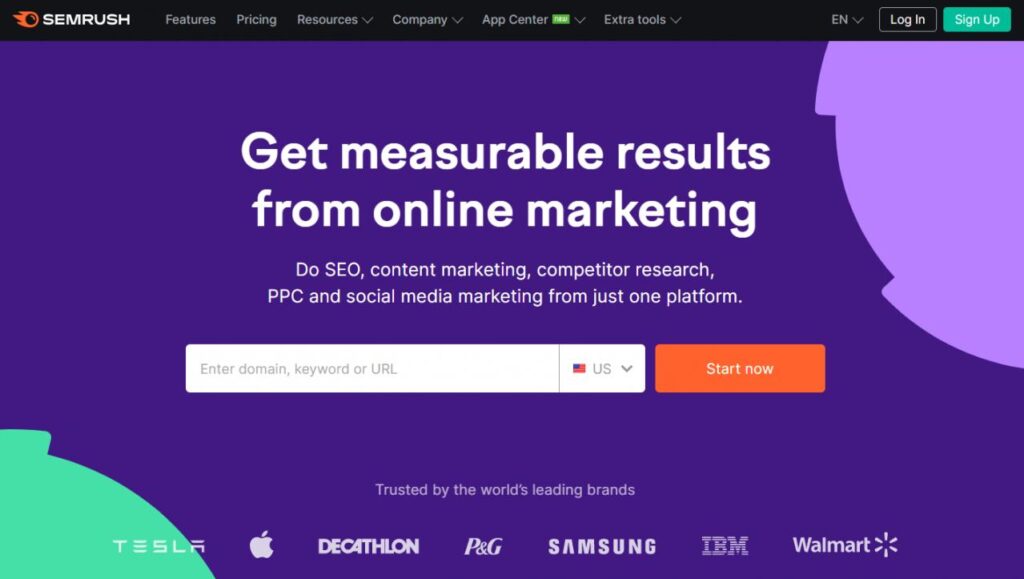
2. Semrush – Best for Backlink Analysis and SEO Campaign Management
Semrush offers Backlink Analytics and related tools for researching backlinks, comparing competitors, and identifying outreach opportunities.
It combines backlink intelligence with keyword research, website auditing, and broader marketing workflows.
Key features:
- Backlink Analytics
- Referring domain analysis
- Authority Score
- Anchor text and link attribute reports
- Backlink Gap comparisons
- New and lost backlink monitoring
- Off-page SEO research
Advantages: Suitable for teams that want backlink research and broader SEO campaign information within one platform.
Limitations: Detailed reports, usage limits, and advanced workflows depend on the subscription.
Free access: A limited online backlink checker is available, while more extensive analysis requires paid features.
Best for: Digital marketing agencies, SEO consultants, growing businesses, and competitor research.
Official website: https://www.semrush.com/
3. Moz Link Explorer – Best for Learning Backlink Metrics
Moz Link Explorer is designed to help users investigate inbound links, linking domains, and website authority indicators.
Moz is particularly well known for its Domain Authority and Page Authority metrics.
Key features to evaluate:
- Inbound link research
- Linking domain analysis
- Domain Authority and Page Authority
- Anchor text research
- Competitor link comparisons
- Link-related SEO metrics
Advantages: Recognizable third-party SEO metrics and an approachable framework for evaluating link profiles.
Limitations: Tool limits and access depend on the current account plan.
Best for: SEO beginners, marketing teams, and website owners learning off-page SEO.
Official website: https://moz.com/link-explorer
4. Majestic – Best for Specialized Link Intelligence
Majestic focuses on backlink research and link intelligence.
Its Site Explorer provides information about referring domains, inbound links, linking pages, and proprietary link quality metrics.
Key features:
- Trust Flow
- Citation Flow
- Topical Trust Flow
- Fresh and Historic backlink indexes
- Anchor text reports
- Link Context
- New and lost backlink reports
Advantages: Specialized backlink analysis and useful topical relevance indicators.
Limitations: It is more focused on link intelligence than on providing a complete all-in-one digital marketing platform.
Best for: Link building specialists, SEO consultants, and backlink profile investigations.
Official website: https://majestic.com/
5. SE Ranking – Best for SEO Teams Wanting Integrated Monitoring
SE Ranking is an SEO platform that includes backlink research and monitoring capabilities alongside other optimization tools.
It can be useful for teams that want to manage backlink information in the same environment as website auditing and keyword monitoring.
Features to investigate:
- Backlink checking
- Referring domain information
- Backlink monitoring
- Competitor research
- SEO reporting
- Website audit integration
Advantages: Useful for combining backlink monitoring with everyday SEO management.
Limitations: Available data and monitoring limits depend on the subscription and product configuration.
Best for: Small agencies, freelance SEO specialists, and in-house marketing teams.
Official website: https://seranking.com/
6. Google Search Console – Best Free Tool for Your Own Website
Google Search Console provides a Links report for verified websites.
It helps website owners review external linking sites, frequently linked webpages, and common link text.
Key features:
- Top externally linked pages
- Top linking websites
- Common linking text
- Internal links
- Exportable link information
Advantages: Free for verified website owners and provides link data discovered by Google.
Limitations: It displays a sample rather than a comprehensive list of every backlink and is not designed for analyzing competitors’ private Search Console data.
Best for: Small businesses, beginners, website administrators, and anyone auditing their own website.
Official website: https://search.google.com/search-console/
Free vs. Paid Backlink Analysis Tools
Free backlink tools are useful for introductory research, evaluating your own website, and identifying major link patterns.
Paid tools typically offer more extensive competitor research, historical information, larger exports, additional filters, and recurring monitoring features.
For a small business, Google Search Console plus a limited third-party backlink checker can be a practical starting point.
For an agency managing multiple competitive websites, paid backlink tools may offer a more efficient workflow.
How to Perform a Backlink Analysis Step by Step
Step 1: Review Your Existing Backlinks
Begin by checking your domain in Google Search Console and, if available, a third-party backlink research platform.
Step 2: Examine Referring Domains
Review the number of unique websites linking to your domain and investigate whether those websites are relevant to your business.
Step 3: Evaluate Link Quality and Relevance
Consider the linking page’s subject, editorial context, audience, transparency, and whether the link provides genuine value to readers.
Step 4: Review Anchor Text
Look at the terms used to link to your website.
Natural backlink profiles commonly contain brand names, URLs, descriptive phrases, and other varied text.
An unusual concentration of manipulative keyword-rich anchors may deserve further review.
Step 5: Identify Lost Backlinks
Look for valuable editorial links that disappeared because pages were deleted, URLs changed, or website content was updated.
Where appropriate, restore useful resources or contact publishers about genuinely relevant corrections.
Step 6: Analyze Competitor Backlinks
Identify websites that link to relevant competitors but not to your website.
Prioritize opportunities based on topical relevance, editorial quality, and the likelihood that your content would benefit the publication’s audience.
Step 7: Develop a Link Acquisition Plan
Create useful resources, original research, industry guides, and other content that relevant publishers may want to reference.
Avoid automated spam, manipulative exchanges, and purchasing links intended to pass ranking credit.
Step 8: Monitor Progress
Review new referring domains, relevant editorial placements, referral visits, organic search performance, and business outcomes.
Backlink growth should be evaluated alongside other SEO factors rather than treated as a guarantee of higher rankings.
How to Identify High-Quality Backlinks
A valuable backlink is generally relevant, contextually appropriate, and placed on a page that provides value to readers.
Consider whether:
- The linking website covers related topics.
- The link makes sense in its surrounding content.
- The publisher has a legitimate audience.
- The page offers useful information.
- The link could generate meaningful referral traffic.
- The placement complies with search engine policies.
Third-party metrics such as Domain Rating, Domain Authority, Authority Score, and Trust Flow can support research.
However, these metrics are created by individual SEO software providers. They are not interchangeable with Google’s ranking systems.
Backlink Analysis for GEO and AEO
Generative Engine Optimization (GEO) focuses on improving the accessibility, clarity, and credibility of information for AI-powered search experiences.
Answer Engine Optimization (AEO) emphasizes clear answers to user questions.
Backlink research can help identify reputable publications, relevant industry resources, and places where a business earns editorial recognition.
Such mentions may strengthen overall brand discoverability, but backlinks do not guarantee that an AI-powered system will cite or recommend a website.
For SEO, GEO, and AEO, prioritize accurate content, credible sources, editorial relevance, and consistent business information.
Common Backlink Analysis Mistakes
Focusing only on backlink counts: Thousands of unrelated links may be less useful than a smaller number of relevant references.
Treating third-party authority scores as Google metrics: SEO software metrics are estimates and should be interpreted in context.
Ignoring link relevance: An editorial mention should make sense for the content and audience.
Buying links to manipulate rankings: Link schemes can violate Google’s spam policies.
Disavowing every suspicious-looking link: Google often handles spammy links automatically. The disavow tool should be used cautiously and only when appropriate.
Ignoring referral traffic: A useful backlink can introduce qualified visitors even when its ranking impact is uncertain.
Which Backlink Analysis Tool Should You Choose?
Your best choice depends on the website and research requirements.
For a website owner starting with a limited budget, Google Search Console is a strong first step.
For comprehensive competitor backlink analysis, Ahrefs and Semrush are worth considering.
For specialized link intelligence and topical trust metrics, Majestic provides a focused alternative.
Moz and SE Ranking can also be useful depending on your preferred workflow and access requirements.
Before purchasing a subscription, compare the current plans, supported features, reporting limits, and actual data available for your target websites.
Final Thoughts
The best backlink analysis tools help you understand where links come from, evaluate their relevance, monitor changes, and identify legitimate opportunities to earn new editorial references.
Ahrefs, Semrush, Moz, Majestic, SE Ranking, and Google Search Console each offer different strengths.
A successful backlink strategy should prioritize useful content, genuine relationships, and trustworthy references rather than pursuing large quantities of low-quality links.
Need Professional Backlink and SEO Analysis?
At ObeySoft, we provide SEO services including technical audits, search optimization, content research, and off-page SEO guidance.
Contact us to discuss your website’s backlink profile, competitor research requirements, and broader SEO goals.
Website: https://www.obeysoft.com/
WhatsApp: +91 7220090805
Fiverr – Technical SEO, AEO and GEO: https://www.fiverr.com/raghuobeysoft/do-technical-seo-aeo-and-geo-optimization-for-your-website