
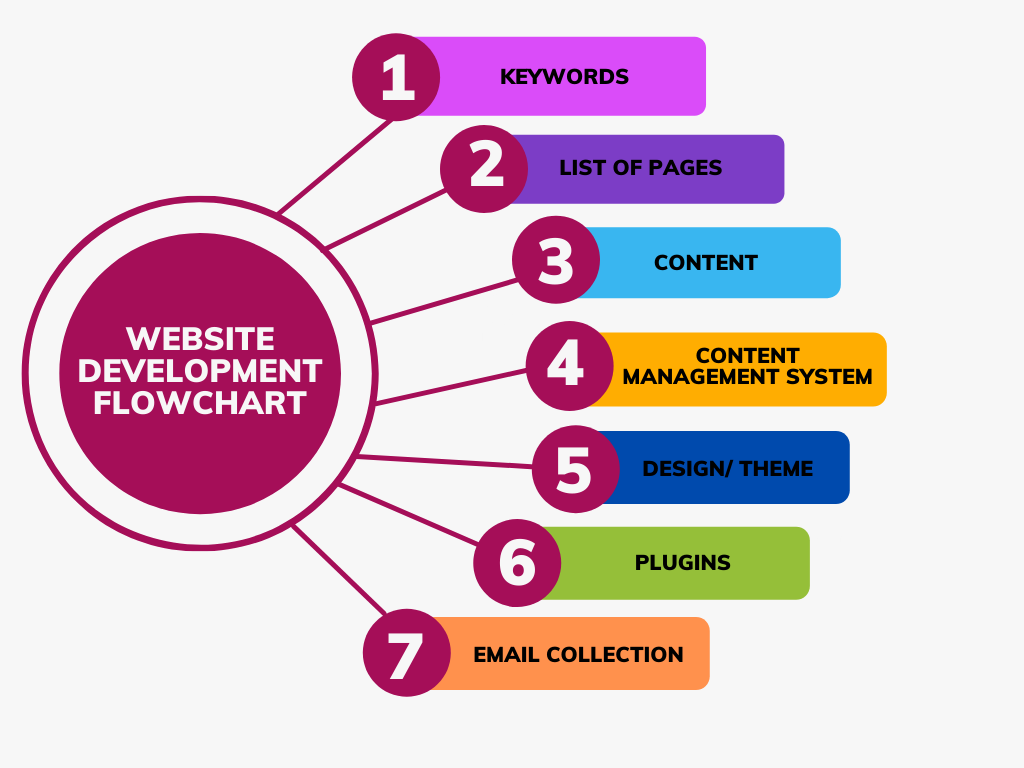
website development process
Website Development Process – Complete Step-by-Step Guide
Understanding the website development process is essential for building a professional, user-friendly, responsive, and search-engine-friendly website. Whether you are planning a business website, WordPress website, Shopify store, or custom web application, following a structured development process helps improve project organization, design quality, and functionality.
At ObeySoft, we focus on combining website planning, modern design, development, technical optimization, and usability to create websites tailored to business requirements.
In this category, explore practical guides, website development tutorials, planning resources, and useful information about building and maintaining successful websites.
What Is the Website Development Process?
The website development process is a series of steps used to plan, design, build, test, launch, and maintain a website.
A typical development workflow includes understanding business objectives, preparing website architecture, creating designs, implementing functionality, testing performance, and publishing the completed website.
Each stage helps ensure that the website meets its intended purpose and provides a useful experience for visitors.
10 Important Steps in the Website Development Process
Step 1: Project Discovery and Requirement Analysis
The first step is understanding the purpose of the website and identifying business requirements.
Important considerations include:
- Business goals and target customers
- Website type and functionality
- Competitor research
- Target markets and languages
- Expected customer actions
- Content and branding requirements
- Project budget and timeline
Requirement analysis helps define the development scope before design work begins.
Step 2: Website Planning and Strategy
Website planning establishes the structure and direction of the project.
This stage may include defining important pages, creating a sitemap, organizing navigation menus, and selecting the appropriate website platform.
A clear website plan supports better navigation, content organization, and future scalability.
Step 3: UI/UX Design and Wireframing
User Interface (UI) design focuses on the website’s visual appearance, while User Experience (UX) design focuses on how visitors interact with its pages.
Wireframes help visualize website layouts before full development.
Design elements may include:
- Header and navigation
- Homepage layout
- Service and product sections
- Calls to action
- Forms and contact information
- Typography and colors
- Mobile-friendly layouts
Step 4: Website Content Development
Website content explains products, services, business information, and customer benefits.
Content development may include homepage copy, service descriptions, product information, company details, FAQs, and blog articles.
Content should be accurate, useful, easy to read, and organized around visitor needs.
Step 5: Frontend Website Development
Frontend development creates the visible elements that visitors use.
Common frontend technologies include HTML, CSS, and JavaScript.
Frontend development focuses on responsive layouts, navigation, interactive features, accessibility, and consistent display across devices.
Step 6: Backend Development and CMS Integration
Backend development handles server-side functionality, business logic, databases, and data processing where required.
For content-managed websites, developers may configure systems such as WordPress, Shopify, or other suitable platforms.
The technical approach depends on the website’s features and operational requirements.
Step 7: Website SEO Optimization
Search engine optimization should be considered throughout website development.
Important SEO activities include:
- Search-friendly website architecture
- Keyword research and page mapping
- Descriptive page URLs
- Appropriate H1 and H2 headings
- SEO titles and meta descriptions
- Image optimization
- Internal linking
- XML sitemap setup
- Canonical URL configuration
- Mobile accessibility
- Structured data where relevant
Technical SEO helps search engines discover and understand website content.
Step 8: Website Testing and Quality Assurance
Before launching a website, developers should test important pages and features.
Quality assurance may include:
- Mobile and desktop responsiveness
- Navigation and internal links
- Contact forms and buttons
- Browser compatibility
- Website loading performance
- Accessibility checks
- Payment and checkout functionality where applicable
- Security and privacy requirements
- Content accuracy
Testing helps identify errors before customers begin using the website.
Step 9: Website Launch and Deployment
After testing and approval, the website is prepared for launch.
Typical launch activities include domain and hosting configuration, SSL verification, final content checks, redirects where needed, sitemap submission, and analytics setup.
A post-launch review helps identify unexpected technical issues.
Step 10: Website Maintenance and Continuous Improvement
Website development does not end when the website goes live.
Ongoing maintenance may include software updates, backups, security monitoring, performance improvements, content updates, and technical troubleshooting.
Performance data and customer feedback can guide future improvements.
Website Development Process for Different Platforms
WordPress Website Development Process
WordPress projects typically involve hosting setup, theme selection or customization, plugin configuration, content creation, SEO settings, testing, and launch.
Shopify Website Development Process
Shopify projects often include store setup, theme customization, product uploads, collection organization, payment and shipping configuration, mobile testing, and launch.
Custom Website Development Process
Custom development projects may require additional planning around architecture, database design, APIs, authentication, security, and specialized business functionality.
Why Is a Structured Website Development Process Important?
Following a clear development workflow can help businesses:
- Define project expectations
- Reduce avoidable revisions
- Improve communication
- Organize website content
- Identify technical issues earlier
- Improve usability
- Support website scalability
- Maintain better project documentation
- Prepare for long-term website management
The exact workflow may vary according to the project’s complexity and required functionality.
SEO, AEO & GEO in Website Development
Modern websites should provide helpful information that visitors, search engines, and AI-powered discovery systems can understand.
Search Engine Optimization (SEO) focuses on technical accessibility, relevant content, and website structure.
Answer Engine Optimization (AEO) emphasizes clear explanations, helpful FAQs, and direct answers to user questions.
Generative Engine Optimization (GEO) focuses on accurate business information, original content, credible sources, and clear organization.
These practices can be incorporated during website planning, content development, and technical implementation.
No website development or SEO method guarantees particular search rankings or placement in AI-generated answers.
How Long Does the Website Development Process Take?
Website development timelines vary depending on project requirements.
A simple informational website generally needs less development work than a large eCommerce platform or customized web application.
The timeline depends on factors such as the number of pages, design complexity, content availability, integrations, testing requirements, and approval cycles.
How Much Does Website Development Cost?
Website development pricing depends on the selected platform, design requirements, functionality, integrations, and long-term support needs.
Businesses should consider domain registration, hosting, design, development, content creation, software subscriptions, and maintenance where applicable.
A detailed project proposal helps clarify the scope, deliverables, and associated costs.
Professional Website Development Services by ObeySoft
ObeySoft provides website design and development solutions for businesses seeking professional online experiences.
Our services cover WordPress development, Shopify store development, eCommerce websites, custom website solutions, responsive design, and SEO-related improvements.
Whether you want to create a new website or improve an existing platform, understanding the development process helps you make informed decisions.
Explore our website development resources or contact ObeySoft to discuss your project requirements.
Official Website: https://www.obeysoft.com/
Website Development Services: https://www.obeysoft.com/web-development-services/