
Developing a Magento e-commerce website
Developing a Magento e-commerce website
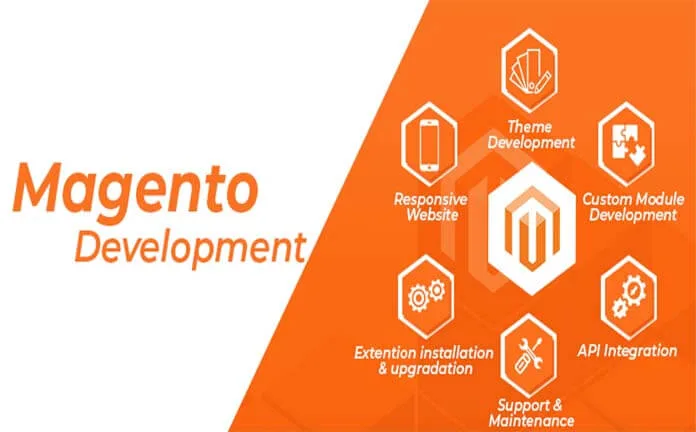
Developing a Magento e-commerce website involves several steps, from planning and design to development and launch. Magento is a popular and powerful e-commerce platform that offers a range of features for building robust online stores. Here’s an outline of the process:
- Planning and Strategy:
- Define your business goals, target audience, and unique selling proposition.
- Choose the appropriate version of Magento (Magento Open Source or Magento Commerce) based on your requirements and budget.
- Determine your product catalog structure, pricing strategy, and shipping options.
- Design and User Experience:
- Create a visually appealing and user-friendly design that aligns with your brand identity.
- Design responsive layouts for various devices, ensuring a seamless user experience.
- Development:
- Install and set up Magento on a web server or hosting platform.
- Customize the design using themes or create a custom theme tailored to your brand.
- Develop product catalog pages, including categories, product pages, and filters.
- Implement shopping cart functionality, including adding/removing products and calculating totals.
- Integrate payment gateways and configure secure payment processing.
- Set up shipping methods and address validation.
- Develop user registration, login, and account management features.
- Implement order management and inventory tracking.
- Content Creation:
- Create high-quality product images and descriptions.
- Develop content pages, such as an “About Us” page, FAQs, and a blog if desired.
- Security:
- Implement SSL certificates to ensure secure data transmission.
- Set up measures to protect customer data and secure transactions.
- Testing:
- Thoroughly test the website’s functionality, including product search, checkout process, and payment processing.
- Test the website on different browsers and devices to ensure compatibility.
- Launch:
- Configure domain settings and make the website live on a production server.
- Set up necessary redirects if migrating from an existing website.
- Perform final checks to ensure everything is functioning correctly.
- SEO and Marketing:
- Optimize the website for search engines (SEO) by using proper metadata, keywords, and URL structure.
- Set up Google Analytics or other tracking tools to monitor website performance.
- Plan and implement digital marketing strategies to drive traffic and sales.
- Training and Support:
- Train your team on managing the Magento admin panel, adding products, processing orders, etc.
- Provide ongoing technical support to address any issues that arise.
- Maintenance:
- Regularly update Magento and its extensions to ensure security and performance.
- Monitor website analytics and make improvements based on user behavior and feedback.
Developing a Magento e-commerce website can be complex, and it’s often beneficial to work with experienced developers or an agency specializing in Magento development to ensure a successful launch and long-term success of your online store.